Under water explosion
This case is a 2D Cartesian test. The square domain is composed of air (blue), water (orange) and air cavity (red) as represented in Fig. 66. This test is referenced in ./libTests/referenceTestCases/NEqDEM/2D/underWaterExplosion/. The corresponding uncommented line in ECOGEN.xml is:
<testCase>./libTests/referenceTestCases/NEqDEM/2D/underWaterExplosion/</testCase>
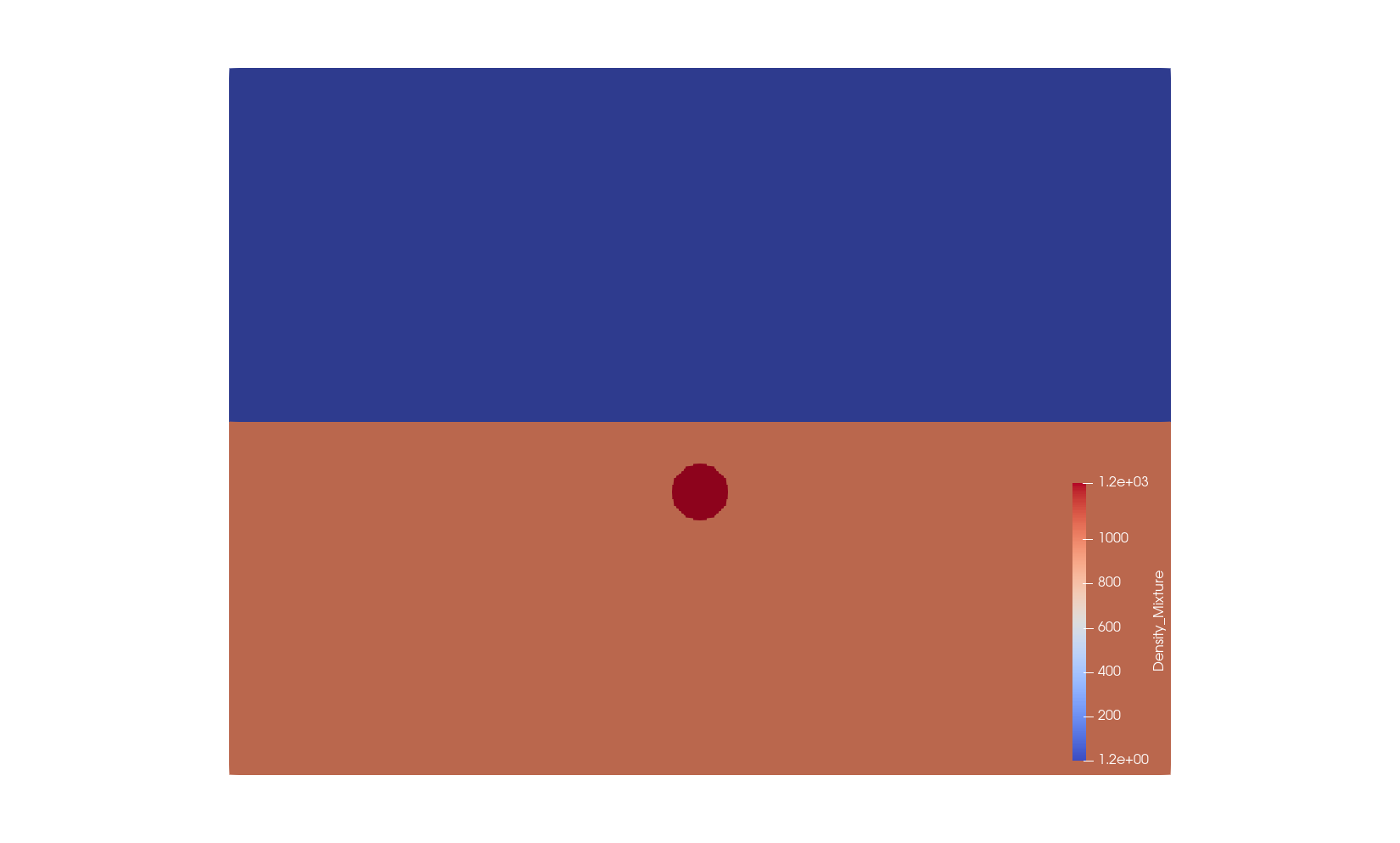
Fig. 66 Representation of density mixture initial conditions for 2D under water explosion.
The initial characteristics of the run are:
Results are shown in Fig. 67. Initially, the air cavity is at high pressure. When the interface between the air cavity and the water disapears, a shock wave propagates in the water and the air-cavity region relaxes. Part of this shock wave is transmitted in to the air region above. With the help of the density evolution, shown through a Schlieren visualization, we can observe a kind of explosion between the water and the air regions.
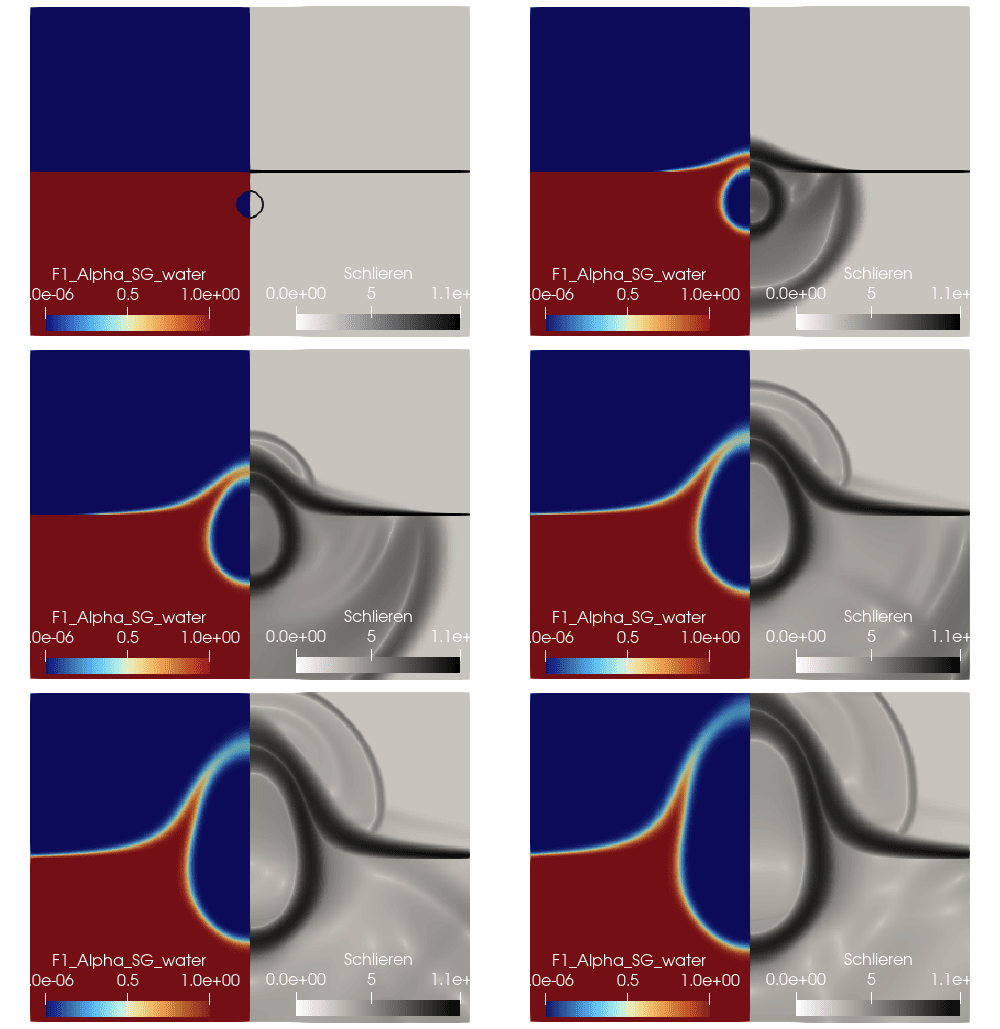
Fig. 67 Schlieren visualization and volume fraction of under water explosion.